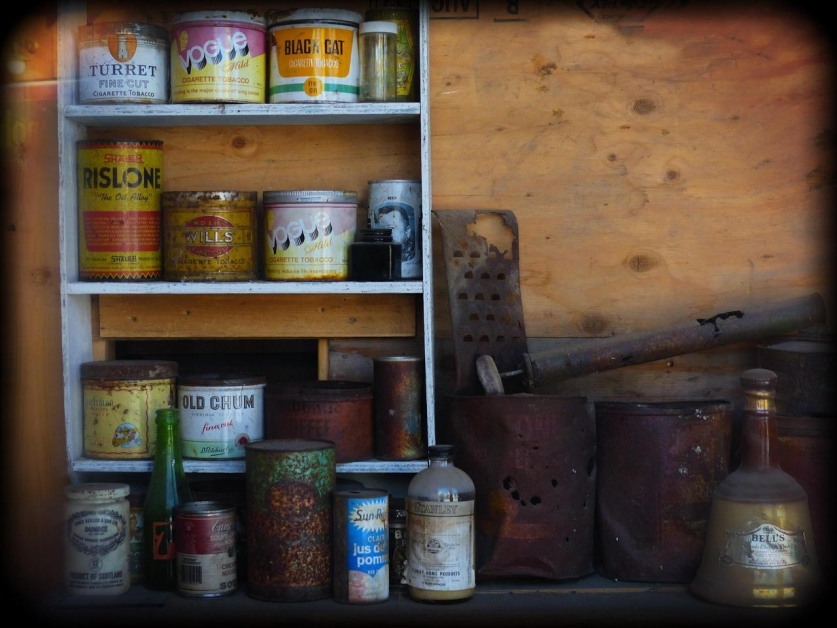
Stocking a pantry for the living is simple enough: milk, bread, vegetables, the usual suspects. But what do you buy for a household that lingers between worlds-one that creaks, drifts, and occasionally walks through walls? This short listicle on “Groceries for Ghost Households” gathers 3-4 essential items that every spectral residence should keep on hand (or ectoplasm).
You’ll discover which supplies help maintain that perfectly haunted atmosphere, what provisions keep restless spirits content, and which everyday goods take on an uncanny usefulness when no one technically needs to eat. By the end, you’ll have a compact shopping guide tailored to the afterlife-adjacent: practical for storytellers, world-builders, game designers, or anyone curious about what belongs in a well-appointed ghostly larder.
Delicate as frost on a windowpane, these spectral sachets hang in the air more than they sit in a cupboard. Each bag is spun from a gossamer-thin, almost invisible fabric that only becomes visible when steeped in hot, moonlit water. Inside, instead of herbs, you’ll find finely crumbled rays harvested from waning crescents, drifting in slow, silvery swirls. When brewed, the infusion emits a faint, pearlescent halo and a cooling taste somewhere between starlight and forgotten lullabies, perfect for phantoms seeking a quiet, reflective haunt-time drink.
- Best served at: 3:03 a.m. sharp
- Ideal for: Afterlife book clubs and spectral salons
- Aroma profile: Dew, old paper, and distant ocean tides
| Brew Strength | Glow Level | Emotional Aftertaste |
|---|---|---|
| Mild | Soft shimmer | Nostalgic calm |
| Medium | Room-brightening | Bittersweet wonder |
| Strong | Blinding halo | Existential clarity |
This uncanny carton never feels heavier or lighter, no matter how many times a spectral cook reaches in. Each egg is a faintly luminous, semi-solid orb that hums quietly when disturbed, resonating at the same frequency as creaking floorboards and distant thunder. Crack one over a cold pan and you’ll pour out a rippling, translucent yolk that sizzles only in moonshadows, forming omelets that flicker at the edges as if they’re not entirely convinced they exist. Perfect for incorporeal brunches, they leave behind no shells-only a thin ring of chill around the stovetop.
- Texture when “cooked”: Misty, with a soft, echoing bounce
- Flavor nuance: Like memory, salt, and the moment before lightning
- Storage tip: Keep the carton in the coldest corner of a forgotten pantry
| Preparation | Resulting Effect |
|---|---|
| Scrambled | Walls whisper old gossip |
| Fried | Mirrors fog with unseen faces |
| Poached | Floors feel like shallow water |
At the stroke of midnight, each loaf stirs itself awake with a soft, rustling sigh, like curtains moving without a breeze. Invisible hands seem to guide the slices from the breadbox into the waiting maw of the toaster, which sparks to life with no mortal touch. As it browns, the crust murmurs half-remembered secrets in a crumbly hush: old addresses, forgotten names, directions to places that no longer exist. When the toast pops, it’s already buttered with a faint smear of phosphorescent gloom that never quite melts and never quite solidifies.
- Best toppings: Phantom jam, spectral honey, or unsalted dread
- Audible mutter range: From soft sighs to clear confessions
- Crumb behavior: Drifts upward, then vanishes midair
| Toasting Level | Whisper Intensity | Recommended Use |
|---|---|---|
| Light | Barely audible | Background ambience |
| Medium | Discernible phrases | Midnight snacking |
| Dark | Urgent warnings | Divination breakfasts |
Each box arrives already laced with genuine attic cobwebs, braided into delicate spirals that cling to the rim of your bowl in elaborate patterns. The flakes themselves are thin, charcoal-gray shards that remain perfectly crisp, no matter how long they linger in milk-or in something colder and less nameable. Scattered among them are tiny, soft marshmallow shapes that phase in and out of visibility: miniature sheeted figures, smoky cats with arched backs, and lilting will-o’-wisps. As you eat, they occasionally float just out of spoon’s reach, rearranging themselves to spell out messages only visible from the corner of your eye.
- Liquid pairing: Chilled moon-milk or diluted graveyard fog
- Crunch factor: Echoes faintly in nearby tombstones
- Surprise feature: Box refills itself during thunderstorms
| Marshmallow Shape | Appears When | Hidden Message Type |
|---|---|---|
| Little ghost | On cloudy mornings | Dream reminders |
| Spider web | During rainfall | Warnings and omens |
| Floating flame | At first thunder | Directions to lost things |
Q&A
Groceries for Ghost Households: Q&A
What exactly is a “ghost household”?
A ghost household is a living space that exists more in memory than in daily use. It might be:
- A home where one or more former residents have died, but their presence feels ongoing.
- An inherited or abandoned house you maintain only occasionally.
- A place where emotional echoes, habits, and routines linger even when people rarely do.
Stocking groceries for such a space is less about daily nutrition and more about:
- Symbolism – keeping traditions alive.
- Practicality – supporting visits, rituals, and sudden stays.
- Atmosphere – allowing the house to feel “ready” for company, physical or otherwise.
Why bother stocking groceries for a place where no one “really” lives?
Groceries become a quiet form of ongoing care. In a ghost household, they can:
- Anchor memories – a jar of the same jam your grandmother loved can feel like a line thrown into the past.
- Support ritual visits – you are less likely to avoid the house if coffee, tea, and something small to eat are always available.
- Maintain dignity – a stocked kitchen suggests the home is still respected, not abandoned.
- Offer comfort in emergencies – if you must stay unexpectedly (storms, repairs, emotional crises), basic food is already there.
What are the core pantry items every ghost household should have?
Focus on foods that keep well, require minimal preparation, and feel comforting. Good staples include:
- Dry goods: rice, pasta, lentils, oats, instant noodles, crackers.
- Canned items: soup, beans, tomatoes, tuna or other fish, fruit in juice.
- Long-life basics: shelf-stable milk or plant milk, cooking oil, sugar, salt, pepper, stock cubes.
- Baking essentials: flour, baking powder, cocoa powder, long-dated yeast or baking mixes.
- Ready-to-eat foods: nut butters, jams, honey, cereal or granola, shelf-stable snack bars.
These items ensure that on any given visit you can create a meal that is simple but substantial, without relying on fresh deliveries.
How can I choose groceries that honor the person or people who used to live there?
Let memory shape your shopping list. Consider:
- Signature flavors – their favorite tea, the hot sauce they put on everything, the brand of cookies they always bought.
- Holiday ingredients – spices for their traditional dishes: cinnamon, cloves, cardamom, or their preferred stuffing mix.
- Ritual items – coffee beans, a particular liqueur, or a special chocolate that always appeared on the coffee table.
- Cooking tools that match the food – if they made soup every Sunday, keep stock cubes and dried herbs beside the old soup pot.
These touches turn a generic pantry into a living archive of taste and tradition.
What groceries last the longest without turning into a science experiment?
To keep spoilage low and visits calm, emphasize items with long shelf lives and clear dates:
- Very long shelf-life:
- Dried beans and lentils
- White rice and pasta
- Sugar, salt, honey, and vinegar
- Herbs and spices in sealed jars
- Medium shelf-life:
- Canned vegetables, fruits, and meats
- UHT milk, long-life cream, plant milks
- Vacuum-packed coffee and tea
- Sealed crackers and biscuits
- Conditionally stable (usable if house is dry and cool):
- Unopened peanut butter and nut butters
- Sealed jars of pasta sauce and pickles
- Dark chocolate stored away from heat
Aim for items with at least six months of shelf life when you buy them, and label the purchase date if that helps you track freshness.
How do I avoid wasting food in a house that is only used sometimes?
Waste can be curbed with a simple rotation system:
- Mirror your pantry: stock similar items at your main home so you can swap before dates expire.
- Use “last visit” as a signal: at the end of each visit, take home anything within a month or two of its best-before date.
- Buy in modest quantities: for each category (e.g., soup, pasta, cereal), keep a small variety instead of large multiples.
- Favor multipurpose ingredients: rice, beans, and canned tomatoes can be turned into many meals, so they are more likely to be used.
Can ghosts, in any serious tradition, be offered food? What sort of groceries are suitable?
Many cultures create food offerings for the dead. Practices vary, but commonly offered items include:
- Plain foods: bowls of rice, bread, or fruit placed on an altar or table.
- Favorite dishes: a meal the person loved, served as though they might arrive at any moment.
- Drinks: tea, coffee, wine, or spirits poured into a glass and left for a period of time.
- Sweets: candy, pastries, or small cakes symbolic of hospitality.
Practically, you can keep:
- Dried or artificial flowers that do not wilt between visits.
- Tea candles, incense, or matches stored safely away from flammable items.
- Shelf-stable offerings, like wrapped sweets or dried fruit, to be unwrapped when you visit.
After the ritual, offerings are often eaten by the living, discarded respectfully, or composted, depending on custom and personal belief.
What should I keep in the fridge or freezer of a ghost household?
If the electricity stays on and the door remains shut between visits, the fridge and freezer can be used strategically:
- Fridge (minimal, mostly for visits):
- Condiments with long lives: mustard, soy sauce, pickles.
- One or two sealed juices or shelf-stable milks that can be chilled when you arrive.
- Butter or margarine if someone visits at least monthly.
- Freezer:
- Frozen bread or flatbreads.
- Frozen vegetables and fruit for quick meals or smoothies.
- One or two frozen ready meals for late or emotional arrivals.
- Ice packs for injuries or unexpected heat.
If power is unreliable or you visit rarely, keep the fridge clean and empty, and rely on shelf-stable foods instead.
What about beverages-what drinks suit a house that’s mostly memory?
Drinks are often more about atmosphere than thirst. Consider:
- Non-alcoholic essentials:
- Black tea, herbal tea, and instant coffee.
- Shelf-stable juice boxes for brief visits or children.
- Bottled or filtered water if the plumbing is dubious.
- Symbolic or comfort beverages:
- A bottle of wine for toasts on anniversaries.
- A small bottle of their favorite spirit.
- Hot chocolate mix for late-night vigils and story-sharing.
Store alcohol away from direct sunlight, and check that any bottled drinks are not leaking, cloudy, or strangely pressurized over time.
How do I balance the living’s needs with the house’s “haunted” character when grocery shopping?
Think of every item as serving two audiences: the visitors, and the story the house is telling. A balanced list might:
- Include practical food for actual meals: soups, grains, and snacks.
- Preserve a few signature items that belong to the house’s past, even if you rarely eat them.
- Allow for quiet rituals: tea lights beside the cookie tin, or a jar of preserved fruit always on display.
The result is a kitchen that can feed you while reminding you why you came.
Are there safety concerns with keeping food in a long-unoccupied space?
Yes, and they are important to address:
- Pests:
- Store dry goods in sealed containers instead of open paper or cardboard.
- Inspect corners, cupboards, and behind appliances for droppings or nesting material.
- Humidity and mold:
- Avoid keeping flour and grains on damp floors or next to walls that tend to sweat.
- Use moisture absorbers or dehumidifiers if the climate is damp.
- Expired or spoiled items:
- Check expiry dates every visit, and discard anything bulging, rusted, leaking, or with unusual odors.
- Be cautious with old oils, nuts, and seeds, which can go rancid without obvious signs.
Keep a small kit with gloves, trash bags, and basic cleaners to manage any surprises in cupboards or the fridge.
How can groceries help transform a painful ghost house into a gentler place to visit?
Carefully chosen groceries can soften the edges of grief:
- Comfort foods – soups, warm drinks, simple sweets that are easy to prepare when emotions are heavy.
- Shared snacks – biscuits or chocolate that encourage people to sit together and talk rather than tiptoe and leave.
- Cooking projects – ingredients for a single dish that invites you to use the kitchen: a cake mix, a pot of stew, a batch of pancakes.
Each small act of eating there reclaims a bit of the space for the living, without evicting those who live on only in memory.
In Retrospect
And so, our pantry for the previously living comes to a quiet close.
Whether you imagined a kitchen where jars rattle on their own, or a spectral supper laid out for those who never quite left, these groceries sketch the outline of a household that exists more in memory than in matter. Their cupboards don’t need restocking, their fruit never spoils, and yet the idea of feeding them lingers-an echo of routines that once made a house feel occupied.
In the end, “groceries for ghost households” aren’t really about sustenance at all. They’re about presence: the imprint of habits, favorite snacks, and half-finished recipes that outlast the hands that opened the fridge. If you ever feel a draft in the kitchen, or hear the faint clink of cutlery when you’re alone, consider that somewhere, just beyond your sight, someone is reaching for their usual.