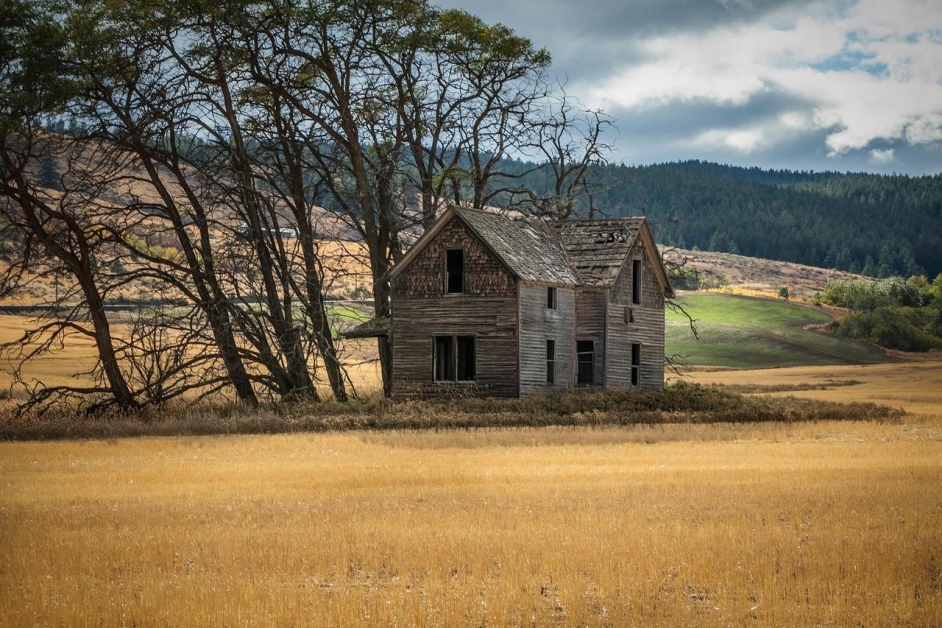
Tucked away in old policy documents and dusty archives, “A Homestead Scheme” might sound like a relic from another era-but its ideas still echo in today’s debates about land, livelihood, and security. In the following 3-4 points, this listicle breaks down the core elements of the scheme, the motivations behind it, and the practical implications it had for ordinary people.
You’ll discover how the program was designed to work, what it promised to those who took part, and how its legacy can inform current discussions about housing, self-sufficiency, and rural development. Whether you’re exploring history, researching land reforms, or simply curious about how such schemes shape societies, these key takeaways will give you a clear, structured understanding without getting lost in legal jargon or political rhetoric.
The story begins with stubborn soil and risky horizons. Early settlers pushed into wild country armed with little more than tools, seeds, and the conviction that survival could be carved out of uncertainty. Over time, that raw necessity evolved into a philosophy: living close to the land not just because you must, but because you choose to. Today’s version trades rifles for rain gauges, wagon trails for Wi‑Fi, yet the core remains the same-crafting a life where food, shelter, and energy are produced as close to home as possible, and where resilience is measured not in bank balances alone, but in skills, soil health, and stored firewood.
A well‑designed plot is less about acreage and more about how every square meter works together. The most resilient setups treat land, water, and access like interlocking gears instead of isolated parts. A simple sketch can reveal whether your barn roof feeds the cistern, whether your garden is downhill from the compost, and whether a delivery truck can turn around without churning the driveway into mud. In practice, that often looks like:
- Land: diverse micro‑zones (sun, shade, windbreaks) that support crops, animals, and wild spaces.
- Water: gravity‑fed collection, storage, and reuse-ponds, swales, and tanks working in sequence.
- Boundaries: fences, hedges, and clear rights of way that protect privacy without blocking cooperation.
| Element | Goal | Quick Check |
|---|---|---|
| Soil | Build long‑term fertility | Worms visible when you dig |
| Water | Secure year‑round supply | Storage for 60-90 dry days |
| Access | Reach every zone in all weather | Paths stay passable in rain |
Independence thrives within a mesh of quiet agreements-some legal, some unspoken. Zoning rules, tax obligations, animal welfare standards, and riparian protections shape what your freedom looks like on the ground. Honoring them isn’t just about avoiding fines; it’s about acknowledging that every off‑grid decision still echoes downstream and across the fence. Cooperation with neighbors can transform isolated plots into a patchwork of shared resilience:
- Shared tools reduce individual costs and clutter while enabling better equipment for everyone.
- Collective buying of feed, seed, or fuel lowers prices and stabilizes supply.
- Mutual aid-from borrowing a pressure canner to helping with harvest-turns crises into manageable chores.
- Environmental pacts (no spray, wildlife corridors, water‑use agreements) protect the whole landscape, not just one fence line.
Q&A
What exactly is a homestead scheme?
A homestead scheme is a structured program-often run by a government, cooperative, or private developer-that provides individuals or families with access to land and, in some cases, resources to build a home and establish a self-reliant lifestyle. Rather than simply selling plots, a true homestead scheme usually aims to:
- Encourage settlement in underdeveloped or rural areas
- Support self-sufficiency through small-scale farming, gardening, or cottage industries
- Provide a pathway to ownership for people who might otherwise be unable to afford land
- Stimulate local economies by turning unused or neglected land into productive homesteads
While details vary, the core idea is simple: connect people who want to live closer to the land with the space and structure they need to make it possible.
How does a homestead scheme typically work?
Most homestead schemes follow a step-by-step pathway from application to ownership. A common framework looks like this:
- Application and eligibility check: Prospective homesteaders submit forms, financial details, and sometimes a basic plan for how they’ll use the land.
- Allocation of land: Approved applicants are assigned plots, often according to family size, intended use, or a lottery system.
- Conditional tenure: Initial rights may be conditional, requiring residents to build within a certain time, cultivate a portion of the land, or live there year-round.
- Support services: Some schemes provide infrastructure (roads, water, power), training (farming, construction, budgeting), or access to materials.
- Path to full ownership: After meeting conditions for a set period-such as living on-site, maintaining the property, or paying reduced fees-participants can convert their tenure into full ownership or a long-term lease.
Within that structure, each scheme adjusts the rules to fit local laws, land availability, and policy goals.
Who is a homestead scheme designed for?
Homestead schemes are usually aimed at people who want more control over their living environment and are willing to invest time and effort into developing it. Typical participants include:
- First-time landowners seeking an affordable way into land and housing
- Families looking for space to grow food, raise animals, or run home enterprises
- Individuals in unstable housing who prefer a long-term, land-based solution over renting
- People transitioning to rural life from urban areas, interested in sustainable living
- Retirees or semi-retirees wanting a quieter, more self-directed lifestyle
Eligibility criteria can include income limits, residency requirements, or a commitment to use the land productively rather than for speculation.
What are the main benefits of joining a homestead scheme?
The advantages go beyond acquiring a plot of land. Participants may experience:
- Lower entry costs: Land is often offered at subsidized rates, with flexible payment terms or sweat-equity options.
- Long-term stability: A secure place to live and build can create generational stability and reduce housing insecurity.
- Food independence: Space for gardens, orchards, and small livestock can reduce reliance on supermarkets and fluctuating prices.
- Community support: Many schemes group homesteads together, encouraging mutual help, shared tools, and cooperative projects.
- Creative freedom: Within guidelines, residents can shape their land and home according to their values and needs.
For some, the greatest benefit is intangible: a sense of rootedness and direct connection to the land they live on.
What challenges should potential homesteaders be prepared for?
Homesteading schemes promise opportunity, but they also demand resilience. Participants commonly face:
- Physical demands: Building, fencing, gardening, and maintenance can be labor-intensive, especially at the beginning.
- Limited amenities: Rural schemes may start with basic services-unpaved roads, intermittent water, or off-grid energy solutions.
- Financial strain: Even subsidized land requires investment in materials, tools, and occasional professional help.
- Learning curves: Skills like soil management, animal care, and simple construction may need to be learned from scratch.
- Regulatory complexity: Zoning rules, building codes, and scheme conditions must be understood and followed.
Those who thrive usually approach the scheme with realistic expectations, a willingness to learn, and patience for gradual progress.
What kinds of homes can be built under a homestead scheme?
The answer depends on the rules of the specific program, but many schemes support a range of housing types, such as:
- Conventional houses: Brick, stone, or wood-frame homes that meet standard building codes.
- Alternative structures: Tiny houses, cabins, earthbag or straw-bale homes, where permitted.
- Incremental builds: Simple starter shelters that are upgraded and expanded over time.
- Mixed-use buildings: Homes that incorporate workshops, small stores, or studios.
Most schemes require adherence to safety, sanitation, and durability standards, but they may allow creative and cost-effective approaches if they meet those benchmarks.
How does a homestead scheme support sustainable living?
Homestead schemes often place sustainability at the center of their design. They may:
- Encourage regenerative practices: Composting, crop rotation, water harvesting, and agroforestry.
- Promote renewable energy: Incentives or support for solar, wind, or micro-hydro systems.
- Limit harmful development: Rules against heavy chemical use or environmentally damaging activities.
- Support biodiversity: Preservation of natural features such as wetlands, tree belts, and wildlife corridors.
By giving people long-term stakes in the land, schemes can align personal incentives with ecological stewardship.
What role does community play in a homestead scheme?
Homesteading is often seen as a solitary pursuit, but schemes frequently foster intentional community. This can include:
- Shared infrastructure: Common wells, tool libraries, seed banks, or communal sheds.
- Collective decision-making: Resident committees that help shape rules, resolve disputes, and plan improvements.
- Skill-sharing: Workshops, mentoring, and informal help between neighbors.
- Mutual support systems: Cooperative childcare, joint harvests, and emergency assistance.
The precise level of community involvement varies, but in many schemes, cooperation is as important as individual effort.
How can someone assess whether a particular scheme is legitimate and well-designed?
Before committing, it is wise to examine both the legal and practical foundations of the scheme. Consider:
- Legal status of the land: Verify titles, zoning, and any encumbrances with official records.
- Clear documentation: Transparent contracts, conditions, and timelines for gaining full rights.
- Track record: Evidence of previous phases, existing residents, or partner organizations.
- Realistic promises: Be wary of offers that guarantee quick profits or effortless self-sufficiency.
- Support structure: Availability of technical assistance, dispute-resolution processes, and channels for feedback.
Independent legal advice and conversations with current participants can reveal strengths and weaknesses that brochures leave out.
What long-term impacts can a homestead scheme have on a region?
When thoughtfully planned and managed, homestead schemes can reshape a landscape and its social fabric. Possible long-term effects include:
- Revitalized rural areas: Abandoned or underused land becomes productive, inhabited, and maintained.
- Stronger local economies: Small farms, home-based businesses, and local markets emerge.
- Cultural continuity: Traditional skills, crafts, and foodways find new life on homesteads.
- Environmental restoration: Degraded lands may be rehabilitated through careful management.
- Intergenerational security: Land and housing can be passed down, anchoring families over time.
Of course, outcomes depend on ongoing governance, infrastructure investment, and the collective choices of the homesteaders themselves.
What first steps should an aspiring homesteader take before applying?
Preparation can make the transition smoother and the application stronger. Helpful early steps include:
- Clarify your goals: Decide whether your priority is food production, quiet living, family space, or a mix.
- Assess your resources: Take stock of savings, time, physical capacity, and support networks.
- Build basic skills: Learn gardening, tool use, simple repairs, or budgeting through courses or volunteering.
- Visit existing homesteads: Observe daily realities, ask questions, and note both successes and struggles.
- Research specific schemes: Compare requirements, locations, and long-term conditions to find a good fit.
Approaching a homestead scheme with thoughtful preparation turns a bold idea into a grounded, workable plan for a new way of life.
The Way Forward
In the end, “A Homestead Scheme” is less a rigid blueprint and more an invitation-to rethink what home means, how land is used, and what kind of future can be built with deliberate hands. Whether your interest lies in self‑reliance, community resilience, or simply the quiet satisfaction of watching something grow under your care, the ideas we’ve explored are starting points, not final answers.
You may never trade your city skyline for a pasture, or you may already be sketching out garden beds and rainwater catchments on the back of an envelope. Either way, the homestead scheme lives in every small decision to produce rather than consume, to mend rather than discard, to understand rather than simply occupy the ground beneath your feet.
How far you take it is your choice. The map is drawn; the next move belongs to you.