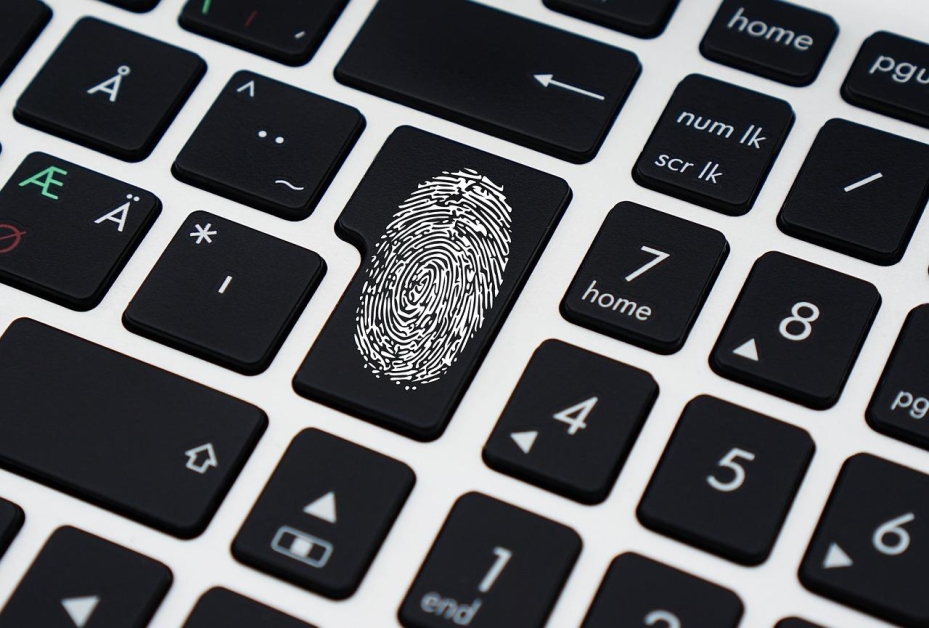
Identity theft isn’t just about a name or a number-it’s about the ripple effect that stolen information has on everything from your credit score to your government benefits. In this listicle, we’ll break down 3-4 of the most common ways stolen identities are turned into stolen benefits, and what that actually looks like in real life. You’ll see how fraudsters exploit personal data, how these schemes can impact everyday people, and what warning signs are easy to miss. By the end, you’ll have a clearer picture of how these scams work-and a sharper sense of how to recognize and respond to them.
It often starts with details so small they seem harmless: your full name on a résumé posted online, an email address exposed in a data breach, or a Social Security number lifted from an old form you forgot you even filled out. In the wrong hands, those fragments are stitched together into a convincing version of “you” that can walk through digital front doors you didn’t even know existed. Suddenly, someone else is filing for unemployment in your state, claiming back tax refunds you never requested, or checking in at a clinic under your identity to receive treatment that will later appear on your medical records.
- Unemployment benefits: A thief files as if you lost your job, rerouting the payout to a prepaid card or burner account.
- Tax refunds: They submit an early return using your SSN, so their refund arrives before you ever sit down with your W‑2s.
- Medical services: With enough personal data, they can pass basic verification at clinics, leaving your insurance-and your health records-footing the bill.
| Stolen Detail | Criminal’s Move | Impact on You |
|---|---|---|
| Name + SSN | File fake benefits claim | Denied when you really need help |
| Address + DOB | Open online tax account | Refund diverted, IRS puts returns on hold |
| Insurance ID | Receive treatment as “you” | Mismatched diagnoses, surprise bills |
Q&A
Stolen Identities, Stolen Benefits: Questions & Answers
What does “Stolen Identities, Stolen Benefits” actually mean?
When people talk about “Stolen Identities, Stolen Benefits,” they’re describing a specific kind of identity theft: criminals use someone else’s personal information to fraudulently claim financial or government benefits. Instead of draining a bank account directly, the thief diverts money and services that were meant to support the real person.
This can involve:
- Government aid (unemployment, disability, tax refunds, food assistance)
- Healthcare and insurance benefits (medical treatments, prescriptions, reimbursements)
- Workplace benefits (retirement accounts, pensions, employee health plans)
The damage isn’t only financial. It can also disrupt medical records, employment history, and your relationship with government agencies-often long after the money is gone.
How do criminals steal identities in the first place?
Identity thieves rarely rely on just one method. They piece together information like a puzzle until they have enough to impersonate you. Common tactics include:
- Data breaches at companies, schools, or healthcare providers, exposing names, Social Security numbers, and addresses.
- Phishing scams via email, text, or phone, tricking you into “confirming” sensitive information on fake websites.
- Public Wi‑Fi snooping, intercepting traffic when you log in to accounts on unsecured networks.
- Mail theft, especially tax documents, insurance statements, and new credit or benefit cards.
- Social media oversharing, where details like your birthday, hometown, or children’s names are used to answer security questions.
- Dark web marketplaces, where stolen personal data is bought and sold in bulk.
Once a thief has enough fragments-date of birth, address, government ID numbers, employer-they can pose as you to claim benefits or open accounts.
What kinds of benefits are most commonly targeted?
Criminals tend to focus on programs that:
- Can be accessed online or by mail
- Offer rapid or automated approval
- Distribute money via direct deposit, prepaid cards, or checks
Some frequent targets include:
- Unemployment insurance and other wage-replacement programs
- Tax refunds (filing returns in your name to capture your refund)
- Social Security or pension payments
- Disability and health benefits (public or private)
- Food and housing assistance programs
During times of crisis-like economic downturns or pandemics-rapidly expanded benefit programs can be especially vulnerable.
How would I know if someone is using my identity to claim benefits?
Benefit theft often hides in plain sight, revealed by confusing letters or unexpected account activity. Warning signs can include:
- Official notices about benefits you never applied for or received.
- Denials of claims because “you’re already receiving benefits” or “your claim has been processed” when you never filed one.
- Tax surprises, such as:
- A tax form for benefits income you never received.
- Notice that your tax return was rejected as a duplicate.
- Medical billing anomalies, like:
- Bills for treatments you never had.
- Insurance explanations of benefits for unfamiliar services.
- Address or account changes reported by an agency or employer that you did not request.
If something looks off or oddly specific-especially if it involves benefits, taxes, or medical services-it’s worth investigating immediately.
Why is benefits-related identity theft so damaging compared to other scams?
While any identity theft is serious, benefits fraud can create uniquely tangled problems:
- Delayed legitimate help: You may be blocked from aid you truly need because the system shows you as already paid.
- Long-term records damage: Fake claims can distort your wage history, medical records, or government files, complicating future benefits.
- Tax consequences: Fraudulent benefits may be reported as income under your name, generating tax bills or audits.
- Complex bureaucracy: Untangling records often involves multiple agencies, each with its own processes and timelines.
- Emotional and time costs: Repeated calls, forms, and verifications can be exhausting, especially if you’re already under financial stress.
The theft doesn’t just take money; it can also erode trust in the institutions meant to protect and support you.
How do fraudsters actually cash out stolen benefits?
Once a thief gets a claim approved, the goal is to move the money beyond easy recovery. Common cash-out methods include:
- Prepaid debit cards registered with stolen identities, then drained at ATMs or used for purchases.
- Direct deposits routed to accounts opened with forged IDs or in the names of accomplices.
- Check interception, including:
- Changing the mailing address on file.
- Stealing checks from mailboxes.
- Money mules, people paid to receive and forward funds, often claiming they’re doing “remote work” or “payment processing.”
The more steps and people involved, the harder it becomes to trace and recover stolen funds.
Is this just an online problem, or does it happen offline too?
While the internet makes benefit theft faster and more scalable, it’s not purely a digital issue. Identity and benefit theft happens:
- Online: Fake portals, hacked accounts, automated bots filing thousands of applications.
- By phone: Imposters posing as government or bank staff, “helping” you complete forms.
- Through paper: Falsified documents, forged signatures, and stolen mail.
- Inside organizations: Corrupt insiders misusing access to systems or data.
The line between online and offline crime is increasingly blurred; stolen data from a breach might be used to fill out a paper form, and stolen mail might be used to take over an online account.
Who is most at risk of having their identity used for benefit fraud?
Anyone can be targeted, but certain groups may face higher risk:
- People who recently lost jobs, since their data is often flowing through multiple systems at once.
- Older adults, who may have long work histories and established benefit entitlements.
- People receiving public assistance, as their information is already tied to various agencies.
- Children and young adults, whose clean identities can be exploited for years before discovery.
- Data breach victims, especially where Social Security numbers or national ID numbers were exposed.
Being “at risk” doesn’t mean you are helpless; it means extra vigilance is especially valuable.
What practical steps can I take to protect my identity and benefits?
You can’t control every database that stores your data, but you can make yourself a harder target and detect problems sooner. Consider:
- Locking down personal data:
- Shred documents with sensitive information before discarding.
- Use a locked mailbox or secure mail drop when possible.
- Keep key documents (passports, ID cards, Social Security cards) in a safe place.
- Strengthening digital security:
- Use long, unique passwords and a password manager.
- Turn on multi-factor authentication wherever it’s offered.
- Avoid logging into important accounts over public Wi‑Fi, or use a reputable VPN.
- Limiting exposure:
- Share minimal personal details on social media.
- Be suspicious of unsolicited requests for information, even if they appear official.
- Monitoring regularly:
- Check benefit statements, medical bills, and explanation-of-benefit letters.
- Review bank and credit card activity for unusual transactions.
- Where available, review your credit reports periodically.
Your goal is twofold: reduce the chances of theft and shorten the time between theft and discovery.
What should I do immediately if I suspect my benefits were stolen?
If you see signs of benefit-related identity theft, quick action matters. Steps typically include:
- Contact the benefit provider:
- Reach out to the relevant agency or company using an official phone number or website.
- Explain that you believe your identity has been used fraudulently.
- Ask to:
- Freeze or suspend the compromised account.
- Correct your records.
- Get guidance on their specific fraud process.
- Document everything:
- Keep copies of letters, emails, and forms.
- Write down dates, times, and the names of people you speak with.
- Report the identity theft:
- File a report with your local authorities if required or helpful for documentation.
- Use national or regional identity theft reporting centers where available.
- Protect other accounts:
- Change passwords and enable multi-factor authentication on financial and email accounts.
- Consider placing a fraud alert or credit freeze with major credit bureaus, if applicable in your country.
The earlier you begin this process, the more options you’ll typically have to repair the damage.
Can stolen benefits be recovered, or is the money gone for good?
Recovery depends on the type of benefit, how quickly the fraud was reported, and local laws or policies:
- Some agencies can restore benefits once they confirm you were a victim, especially if their systems or processes were exploited.
- Others may limit reimbursement or offer partial relief, focusing instead on correcting your records going forward.
- Financial institutions may be able to reverse transfers or close fraudulent accounts if notified quickly.
Even when stolen funds aren’t fully recoverable, it is still crucial to:
- Clear your name from fraudulent claims.
- Correct your tax, medical, and benefit records.
- Put protections in place to prevent repeat incidents.
What role do governments and organizations play in preventing this kind of fraud?
Responsibility doesn’t fall only on individuals. Agencies and organizations are expected to:
- Improve identity verification:
- Use multi-factor authentication for online portals.
- Adopt risk-based checks that flag suspicious patterns.
- Secure data:
- Encrypt sensitive information at rest and in transit.
- Limit who can access personal data and log that access.
- Monitor and detect fraud:
- Use analytics to spot abnormal claim volumes or behavior.
- Collaborate with other agencies and law enforcement.
- Support victims:
- Provide clear instructions and dedicated channels for reporting fraud.
- Offer case managers or helplines for complex cases.
Stronger systems, combined with informed citizens, create a more difficult environment for benefit thieves.
How can I talk to family and friends about protecting their identities and benefits?
Conversations about fraud don’t have to be alarmist; they can be practical and collaborative. You might:
- Share real examples (without personal details) to make the risk feel concrete, not abstract.
- Offer simple steps, like setting up online accounts directly with agencies before scammers do, or enabling multi-factor authentication.
- Help older relatives:
- Review letters that look confusing or urgent.
- Verify phone calls and emails that ask for information.
- Encourage regular checkups of statements, benefits, and credit history as a shared habit.
The more people around you understand these risks, the harder it becomes for fraudsters to succeed quietly.
Is there a way to stay informed about new scams targeting benefits?
Scams evolve quickly, but you can keep up without obsessively checking every headline. Consider:
- Subscribing to alerts from:
- Government agencies that manage benefits or consumer protection.
- Reputable cybersecurity or consumer advocacy organizations.
- Checking official websites periodically for:
- Fraud warnings and current scam examples.
- Updates to reporting and security practices.
- Discussing unusual requests with someone you trust before responding, especially when money or personal data is involved.
Staying informed doesn’t have to be overwhelming; it can simply be part of how you manage your digital and financial life.
Wrapping Up
As these stories show, stolen identities rarely end with a single unauthorized charge or a strange letter in the mail. They ripple outward-into healthcare, taxes, social services, and the systems meant to protect us when we’re most vulnerable.
“Stolen Identities, Stolen Benefits” isn’t just a headline; it’s a quiet reminder that the numbers and accounts that define us on paper can be turned against us with alarming ease. Awareness doesn’t solve everything, but it does shift the balance. Knowing how these schemes work is the first step toward spotting the red flags, questioning the unexpected, and guarding the access points others hope you’ll ignore.
In the end, benefits are more than checks and credits. They’re proof of a social promise. When that promise is hijacked, the damage is both personal and collective. The challenge now is not only to protect our data, but to insist that the systems built around it are worthy of our trust.